

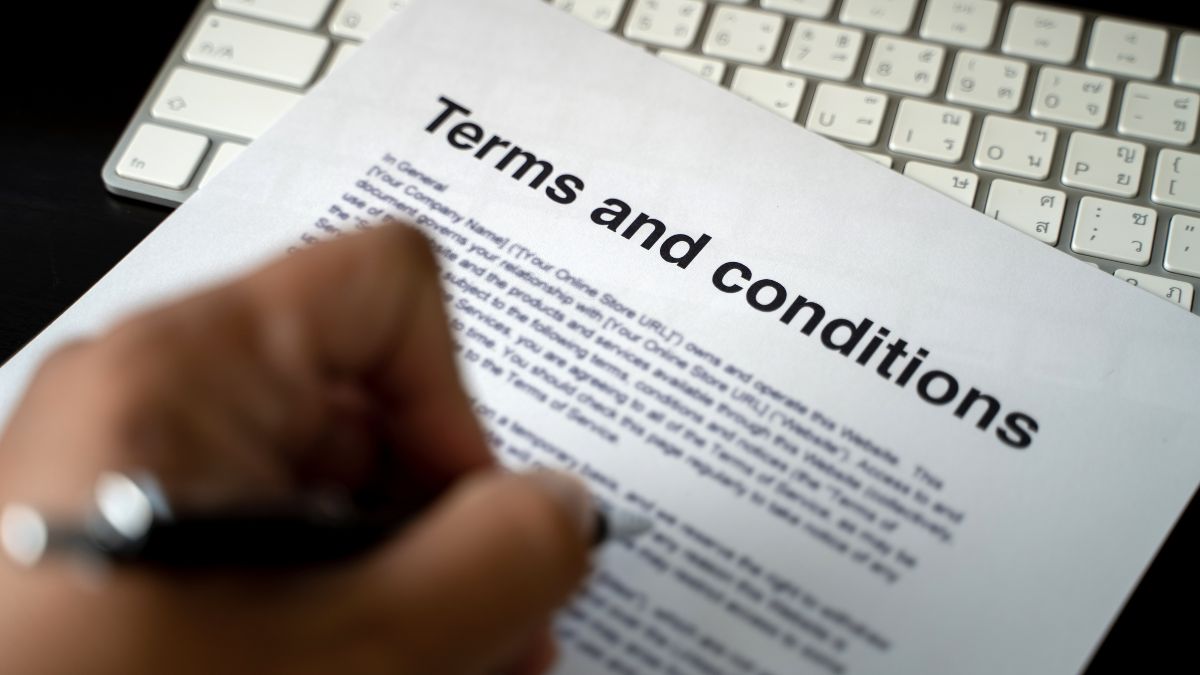
What Are Terms and Conditions, and How Do You Write Them?
Terms and conditions are easy to overlook when business is going well.
They often sit on a website, are attached to a quote, or get sent out with a proposal. Many business owners only look closely at them when something goes wrong, such as a late payment, cancelled order, unclear scope of work, or disagreement with a customer.
That is usually when the value of clear terms becomes obvious.
If you run a business, your terms and conditions set out the rules for how you trade. They help explain what you provide, what your customer agrees to, how payment works, and what happens if there is a problem.
This guide explains what terms and conditions are, what they should usually include, and how to approach writing them properly.
What are terms and conditions?
Terms and conditions are the written rules that govern the relationship between a business and its customer or client.
They may also be called:
- Terms of business
- Standard terms
- Customer terms
- Sale terms
- Terms of service
For many businesses, T&Cs form part of the contract with the customer. They usually cover practical areas such as price, payment, delivery, cancellation, liability, responsibilities, and dispute handling.
Good business terms and conditions help reduce uncertainty. They give both sides a clearer understanding of what has been agreed and what should happen if something does not go to plan.
Why are terms and conditions important?
Clear terms and conditions can help protect your business from avoidable disputes.
For example, they can make clear:
- When payment is due
- What happens if a customer pays late
- What is included in the service
- What is outside the agreed scope
- When an order can be cancelled
- Who is responsible for delays
- How complaints or disputes will be handled
Without clear terms, disagreements can become harder to resolve. A customer may believe one thing was promised, while the business understood something different.
That kind of misunderstanding can cost time, money, and goodwill.
Check out our other blog post The Importance of Clear Contract Terms and Conditions to learn more.
Are terms and conditions legally binding?
Business terms and conditions can be legally binding, but only if they are properly incorporated into the contract and comply with the law.
In practical terms, this means the customer should have a fair opportunity to read and understand the terms before the contract is formed. If terms are hidden away, sent too late, or introduced after the deal has already been agreed, it may be harder to rely on them.
The position can also differ depending on whether you are dealing with another business or a consumer.
Consumer contracts are subject to specific rules, including requirements around fairness, transparency, cancellation rights, and the information customers must receive before they commit. Under the Consumer Rights Act 2015, unfair terms in consumer contracts are not binding on the consumer. The Competition and Markets Authority guidance explains that consumer terms and notices should be fair and transparent.
This is why copied terms or generic templates can cause problems. A document may look professional, while still failing to protect the business properly.
What should terms and conditions include?
The right terms depend on how your business works. A service business, online shop, trades business, consultant, agency, manufacturer, or supplier will each need different wording.
Common areas often include:
1. What you are providing
Your terms should explain what goods or services you provide, and how the exact scope will be confirmed. For service businesses, this may link to a proposal, quote, project brief, or statement of work.
2. Payment terms
This should cover:
- Prices
- Payment deadlines
- Deposits
- Staged payments
- Late payment
- Interest or recovery costs where applicable
- What happens if payment is not made
Clear payment terms are especially important for protecting cash flow.
3. Delivery or timescales
If you supply goods, your terms should explain delivery arrangements, risk, and responsibility. If you provide services, your terms may need to explain project timescales, client input, and what happens if delays are caused by missing information or late approvals.
4. Cancellations and changes
Your terms should explain when an order, booking, or project can be cancelled or changed. If you deal with consumers, cancellation rights need careful handling, especially where online or distance selling rules may apply.
5. Responsibilities of each party
Terms should make clear what the business will do and what the customer must do. This can include providing information, access, materials, approvals, or instructions.
6. Liability
Liability clauses explain what the business may be responsible for if something goes wrong. These clauses need careful drafting. Some types of liability cannot be excluded, and consumer terms must be fair. The Consumer Rights Act 2015 places limits on unfair consumer terms and requires terms to be assessed in context.
7. Complaints and disputes
Terms can explain how complaints should be raised and how disputes may be dealt with before legal action is considered. This can help keep problems contained and easier to manage.
8. Governing law
Many UK businesses include a clause confirming which law applies and which courts will deal with disputes. This can be particularly helpful if customers or suppliers are based in different countries.
How to write terms and conditions properly
If you are wondering how to write terms and conditions, start with how your business actually operates.
A useful first step is to map out the customer journey:
- How does the customer enquire?
- When is a quote or proposal sent?
- When does the customer accept?
- When is payment due?
- What could go wrong?
- What causes disputes in your industry?
- What does the customer need to know before committing?
Your terms should reflect that process.
Avoid copying another business’s terms. Their terms may relate to a different trade, different risks, different customers, or a different way of working. They may also be out of date or unsuitable for your business.
Plain English matters. Terms do not need to be filled with legal language to be effective. Clear wording is often better because it helps both sides understand what has been agreed.
It is also important to make sure your terms are presented at the right time. If you want to rely on them, the customer should usually see them before they agree to buy from you or instruct you.
Common mistakes businesses make with terms and conditions
Many issues with terms and conditions come from documents that do not match the business.
Common mistakes include:
- Using a template without checking whether it fits
- Using AI to write T&Cs without having them checked properly
- Copying terms from another business
- Sending terms after the contract has already been agreed
- Leaving payment terms vague
- Failing to explain cancellation rights properly
- Using consumer terms that may be unfair
- Forgetting to update terms as the business changes
- Assuming website terms apply to all sales
These mistakes are common because terms and conditions often feel like admin. In reality, they can become one of the most important documents your business has when a disagreement arises.
Do small businesses need terms and conditions?
Absolutely. Many small businesses benefit from clear terms and conditions.
They can be particularly useful if you:
- Provide services
- Sell goods online
- Take deposits
- Work to project deadlines
- Rely on client approvals or information
- Offer subscriptions or ongoing support
- Have customers who pay by invoice
- Want to reduce disputes about scope or payment
T&Cs are not about making your business look larger or more formal than it is. They are about setting expectations clearly and reducing the risk of avoidable problems.
When should you ask a solicitor to help?
It is sensible to get legal advice if your terms are old, copied, missing, or no longer reflect how your business works.
You should also consider advice if:
- You sell to consumers
- You trade online
- You deal with higher value contracts
- Payment disputes are becoming common
- Your services involve risk or reliance on customer input
- Your business has changed since your terms were drafted
- You are unsure whether your liability clauses are enforceable
At Harry Suleman Solicitors, we help businesses put clear, practical terms and conditions in place. The aim is to create terms that reflect how you trade, protect you where possible, and give your customers a clear understanding of what they are agreeing to.
If your business needs new terms and conditions, or your existing terms have not been reviewed for some time, speak to Harry for straightforward advice.
Taking the next step
Business terms and conditions are easy to push to one side until there is a problem.
Clear, well drafted terms can help your business avoid confusion, protect cash flow, and deal with disputes more confidently if they arise.
If you are unsure whether your current T&Cs are doing their job, speak to Harry about having them reviewed or drafted properly.
Visit our Commercial Contracts page to learn more or get in touch.