

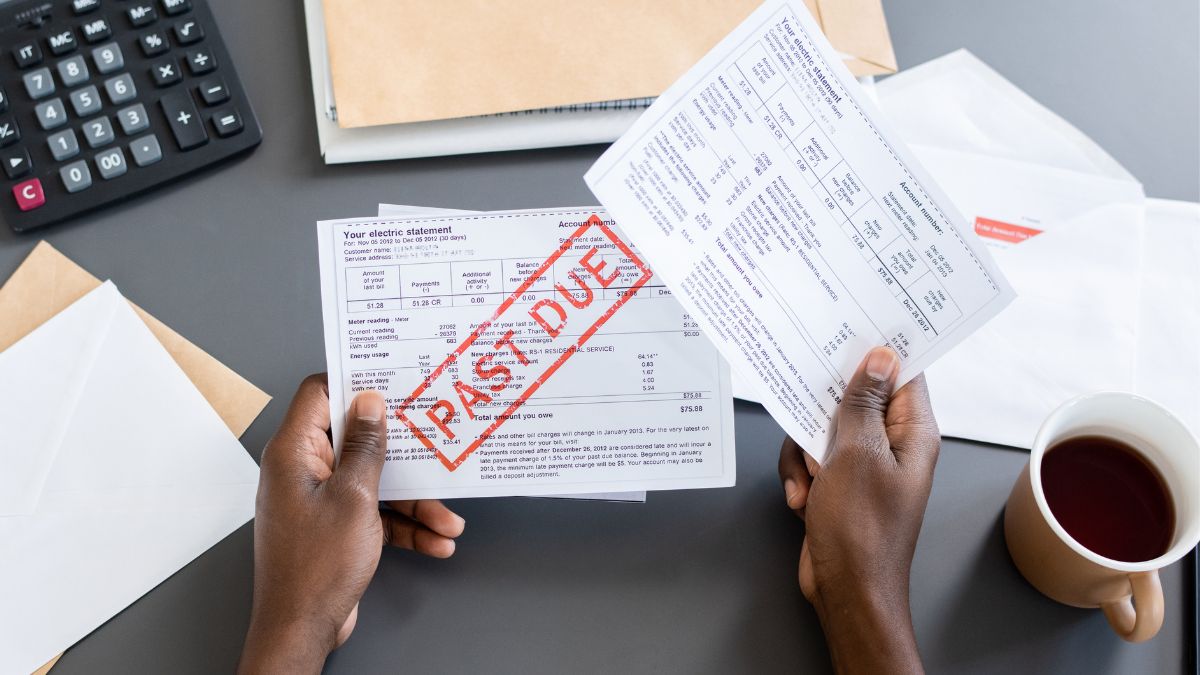
What to Do When a Customer Refuses to Pay for Work Done
You have completed the work, sent the invoice and waited for payment. The deadline passes, reminders are ignored, and the money your business is owed still has not arrived.
When a customer refuses to pay for work done, the effect on your business can extend beyond the unpaid invoice. It can disrupt cash flow, take time away from your work and develop into a wider contractual dispute if the customer challenges the price, quality or completion of the work.
How you respond can affect your chances of recovering payment, so it is important to establish why the invoice has not been paid before taking further action.
This guide explains what businesses in the UK can do when a customer refuses to pay, from checking the agreement through to formal debt recovery and court proceedings.
What should you do if a customer refuses to pay?
The steps you should take will depend on why payment is being withheld. A straightforward unpaid invoice may require a different approach from a dispute about the price, quality or completion of the work.
Start by establishing the facts before deciding how to pursue payment.
1. Check what was agreed
Before escalating the matter, establish what the customer agreed to pay and when payment became due.
Review any relevant documents, including:
- The signed contract
- Your terms and conditions
- The original quote or proposal
- The agreed scope of work
- Purchase orders
- Emails and messages
- Agreed changes to the work
- Completion or sign-off records
- The payment deadline
A written contract can make the position easier to establish. If there is no single signed document, emails, messages, quotes, invoices and the parties’ conduct may still provide evidence of what was agreed.
Check whether the contract contains a process for dealing with complaints or disputes. There may also be requirements about giving notice, allowing time for problems to be corrected or attempting negotiation before starting proceedings.
2. Make sure the invoice is correct
An incorrect or incomplete invoice can give the customer a genuine reason to delay payment.
Check that the invoice includes:
- The correct customer or company name
- An accurate description of the work
- The agreed price
- VAT details where applicable
- The invoice date
- The payment deadline
- The correct payment details
- Any purchase order or customer reference
If the customer has asked for a particular reference or needs invoices to be sent to a specific department, confirm that you followed the correct process.
Correct any administrative errors promptly and send the amended invoice to the appropriate person. Keep a record of when and how it was sent.
3. Contact the customer and ask why payment is being withheld
Once you have checked the agreement and invoice, contact the customer promptly. There may be an administrative delay, a cash flow problem or a genuine disagreement about the work.
Send a clear payment reminder that includes:
- The invoice number
- The outstanding amount
- The original payment deadline
- A copy of the invoice
- Payment instructions
- A reasonable deadline for payment or a response
- A request for details of any dispute
Keep the tone firm and factual. Send the reminder to the person responsible for payment and retain a copy.
If the customer disputes the invoice, ask for the reasons in writing. Their response should help you identify the type of problem you are dealing with.
Below are some common reasons for unpaid invoices and what you can do about them:
The customer accepts the invoice and has simply not paid yet
This may be a straightforward unpaid debt. A formal demand may be appropriate if the reminder does not result in payment.
The customer disputes the quality or completion of the work
Ask the customer to identify which parts of the work are disputed. Compare the complaint with the agreed scope, specifications, completion records and other available evidence.
You may need to consider whether any corrective work is required or whether the customer’s complaint is supported by the agreement.
The customer disputes the price
Check the original quote and any later changes. If the customer requested additional work, identify evidence showing that the work was approved and how the extra cost was explained.
The customer cannot afford to pay
A payment plan may provide a practical solution where the customer accepts the debt.
Record the arrangement in writing, including the instalment amounts, payment dates and what will happen if a payment is missed.
Understanding the reason for non-payment will help you decide whether you are dealing with a straightforward debt or a wider contractual dispute.
4. Send a formal letter before claim
If the customer still refuses to pay and an informal solution cannot be reached, the next step may be a formal letter before claim.
The letter should usually explain:
- Who owes the money
- Why the money is due
- The amount being claimed
- The relevant contract or agreement
- The unpaid invoices
- Any interest and recovery costs claimed
- How the customer can pay
- How and when the customer should respond
- What may happen if the matter is not resolved
This is part of the pre-action process, which means the steps taken before starting a potential claim.
If your business is claiming a debt from an individual or sole trader, the Pre-Action Protocol for Debt Claims will usually apply. It sets out the information and documents that should be provided, along with the time the customer should be given to respond, and gives the customer an opportunity to respond before proceedings begin. The Protocol does not generally apply when the customer owing the money is a limited company.
The correct process depends on who owes the debt, so consider taking legal advice before sending the letter.
5. Consider negotiation, mediation or a payment plan
Before you consider taking your customer to court, other approaches may produce a faster or more commercially sensible result, depending on the circumstances.
Possible solutions include:
- Agreeing a firm payment date
- Accepting payment by instalments
- Addressing a genuine complaint about the work
- Agreeing payment for the undisputed part of an invoice
- Negotiating a reduced sum where part of the invoice is disputed
- Using mediation
- Agreeing terms that preserve the customer relationship
Record any settlement or payment arrangement clearly in writing. The document should state what will be paid, when payment is due and what happens if the agreement is broken.
Mediation gives both parties an opportunity to reach an agreement with the help of an impartial mediator. In suitable cases, it may be quicker and less expensive than continuing a contested court claim.
6. Taking the customer to court
If the customer continues to refuse payment, you may be able to make a County Court claim for the money owed.
Many money claims can be started online or by post, although the appropriate process depends on the parties, the amount being claimed and the complexity of the case. A court fee will be payable.
Once the claim is served, the customer may:
- Pay the amount claimed
- Admit the claim and ask for time to pay
- Defend all or part of the claim
- Make a counterclaim
- Fail to respond
If the customer disputes the standard or completion of the work, the case may require evidence about the agreement and whether your business fulfilled its obligations.
Obtaining a court judgement does not guarantee payment. Enforcement action may be required if the customer still refuses or is unable to pay. Before issuing a claim, consider whether the customer has the means or assets to satisfy a judgment.
The small claims track is a procedure within the County Court rather than a separate court. The track to which a case is allocated will depend on its value, complexity and other relevant factors.
Can you charge interest on an unpaid invoice?
For qualifying business-to-business transactions, you may be entitled to charge statutory interest under the Late Payment of Commercial Debts legislation.
Statutory interest is generally set at eight percentage points above the Bank of England base rate. If the contract provides a different rate of interest, the statutory rate may not apply, so check the agreement before adding interest.
Where no payment date has been agreed in a qualifying commercial transaction, payment will generally become late 30 days after the later of:
- The customer receiving the invoice
- The goods being delivered or the service being provided
Different rules may apply where an acceptance or checking procedure is involved.
A business may also be entitled to claim a fixed recovery sum for each qualifying late commercial payment:
- £40 for a debt of up to £999.99
- £70 for a debt from £1,000 to £9,999.99
- £100 for a debt of £10,000 or more
Reasonable additional recovery costs may sometimes be recoverable where they exceed the applicable fixed sum.
These statutory commercial late-payment rights do not apply to ordinary consumer debts in the same way. Check the terms of the contract and the legal basis for the charge before adding interest or recovery costs.
Common mistakes when chasing an unpaid invoice
A careful approach can prevent an unpaid invoice from becoming harder to recover.
Common mistakes include:
- Continuing to provide work while unpaid invoices accumulate
- Relying on telephone conversations without confirming them in writing
- Failing to ask why payment is being withheld
- Overlooking contractual notice or dispute procedures
- Adding interest or charges without checking the legal basis
- Using the wrong legal name or address for the customer
- Threatening court proceedings without being prepared to take further action
- Issuing a claim before following the appropriate pre-action process
- Failing to keep evidence of the completed work
- Pursuing a customer without considering whether a judgment could be enforced
Keep your communication professional throughout. Hostile or unsupported allegations are unlikely to assist recovery and may complicate a genuine dispute about the work.
When should you speak to a solicitor?
Consider getting legal advice where:
- The customer disputes the quality or completion of the work
- A significant amount is outstanding
- The customer has made allegations against your business
- You are unsure which pre-action process applies
- The contract contains detailed notice or dispute provisions
- Interest or recovery costs need to be calculated
- The customer has threatened a counterclaim
- Negotiations have stalled
- Court proceedings may be required
- You are concerned about the customer’s ability to pay
At Harry Suleman Solicitors, we help businesses establish whether an unpaid invoice is a straightforward debt or part of a wider contractual dispute.
We can review the agreement and evidence, respond to allegations about the work, prepare appropriate correspondence and help you pursue payment. Where possible, we look for a commercially sensible solution that protects your position and avoids unnecessary escalation.
Taking the next step
When a customer refuses to pay for work done, dealing with the issue promptly can help protect your cash flow and preserve the available evidence.
The right approach will depend on why payment is being withheld, the evidence available and whether preserving the customer relationship remains possible.
If a customer is refusing to pay for work your business has completed, speak to Harry. We can assess the agreement, establish whether the debt is disputed and help you decide how to pursue payment.
You can also learn more at our Commercial Litigation page.
This article provides general information about the law of England and Wales. It is not a substitute for legal advice about a particular debt or contractual dispute.